Something shifted in how we think about what we wear at home. It happened gradually at first — a preference for softer fabrics, a move away from structured clothing on days off — and then more suddenly, as working patterns changed and the line between home and work blurred for many people.
Loungewear is no longer an afterthought. For many women, it's become one of the most considered parts of their wardrobe.
What loungewear actually means now
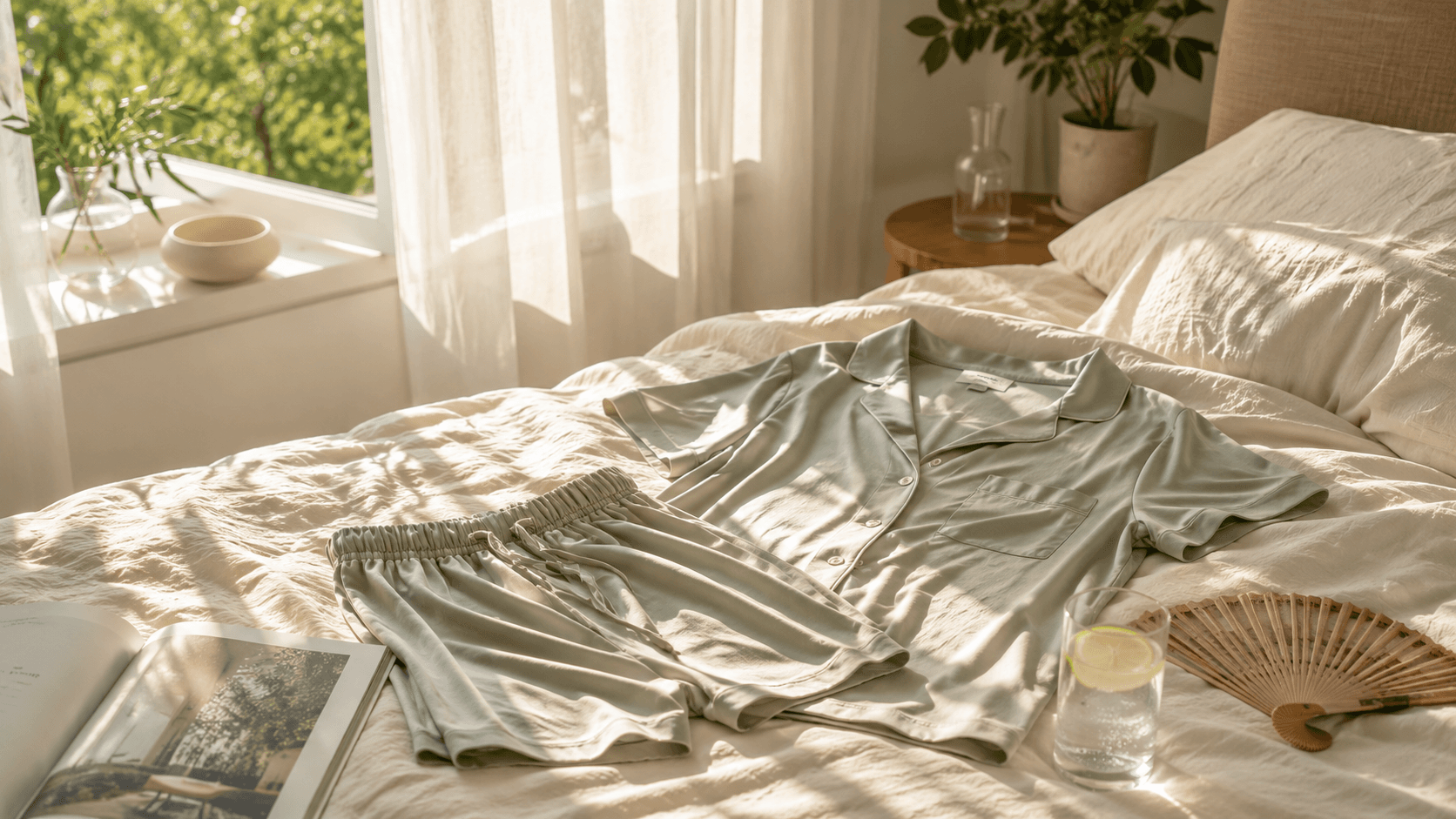
The word has broadened. It used to mean oversized fleece sets or faded tracksuit bottoms kept at the back of a drawer for ill days. Now it encompasses a much wider range: matching soft-fabric sets designed to look intentional, wide-leg trousers that work in the house and out of it, wrap tops that move comfortably through a morning of errands.
The key difference is that modern loungewear is designed. It's not the clothing you wear when you've given up — it's clothing designed for the specific context of being at home, with the same degree of care given to proportion, fabric choice and fit as any other wardrobe category.
Why this happened
Several things converged.
Changing work patterns — a significant number of women now spend more of their working week at home than at an office. When your living room is also your workspace for part of the day, the rigid divide between work clothing and home clothing breaks down. You need something that feels put-together enough to show up on a video call but genuinely comfortable enough to wear from morning until evening.
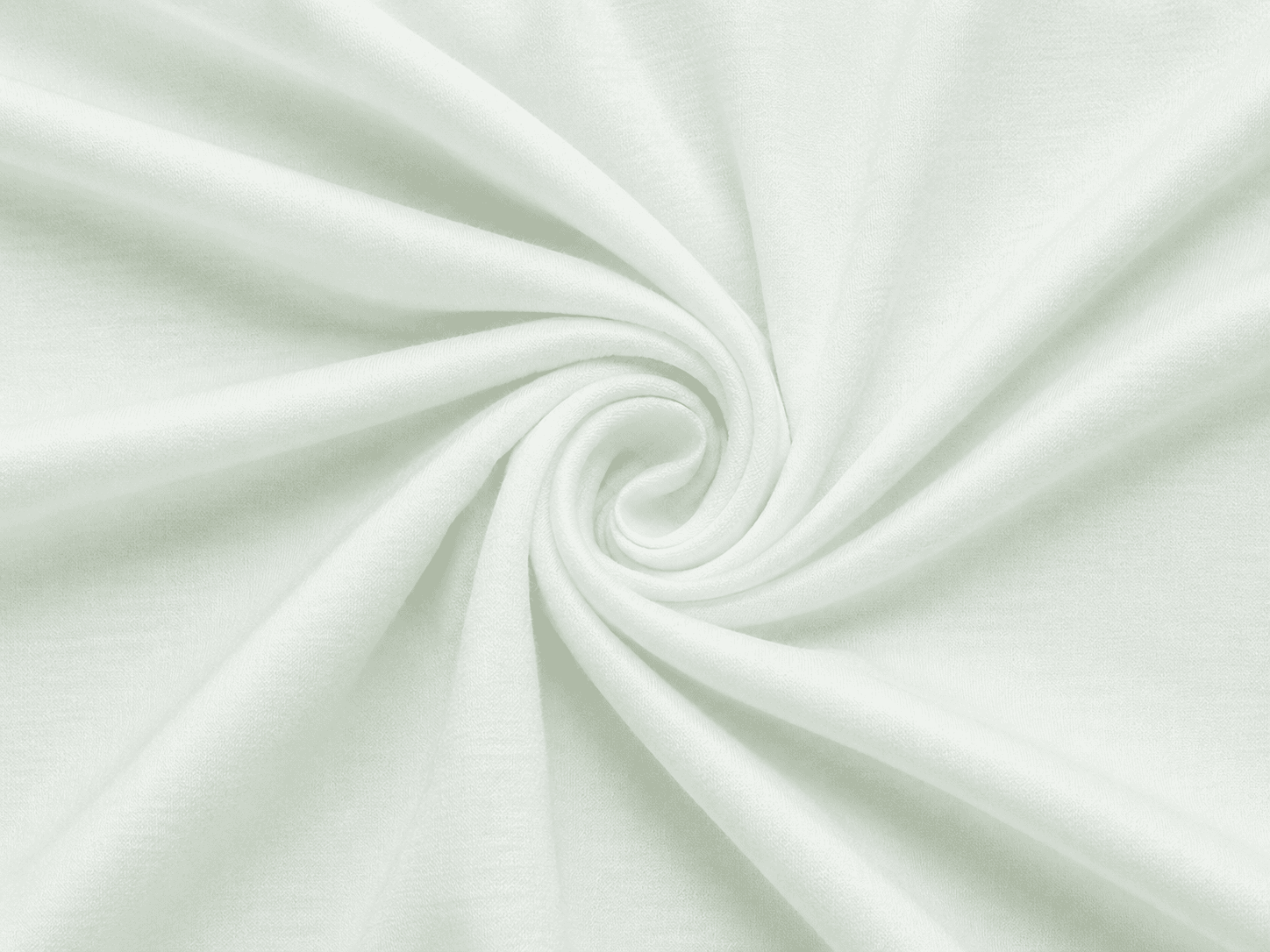
Fabric awareness — there's been a broader shift towards understanding what clothes are made from. As awareness of fast fashion's limitations grew, so did interest in pieces that feel good because they're made from good materials. Viscose blends, jersey fabrics with gentle stretch, soft cotton — these have become selling points rather than background details.
The wellness turn — how you feel in your own home, in your own body, has become more openly discussed. Sleep quality, rest, the rituals of morning and evening — these feel relevant in a way they perhaps didn't before. Clothing that supports comfort and ease at home fits naturally into this broader interest in wellbeing.
What to look for in good loungewear
Not all loungewear is equal. Some things to consider:
Fabric first. The best loungewear uses fabrics that feel genuinely good to wear for extended periods — not just soft in the shop but comfortable after hours. Viscose blends are a strong choice: lightweight, breathable and with enough drape to look intentional rather than shapeless.
Proportion matters. Matching sets work partly because the proportions are considered. A wide-leg trouser pairs with a fitted or semi-fitted top; a relaxed top pairs with a more tailored trouser. When both pieces are equally oversized, the effect can feel shapeless. When proportions are balanced, it looks deliberate.
Versatility. The best loungewear pieces are genuinely useful in more than one context. A well-cut wide-leg viscose trouser works as sleepwear, as daywear at home and as an easy travel layer. That versatility makes it worth spending more on.
Colour and print. Neutrals and soft tones are reliable — they mix easily, don't date quickly and are easy to wear. But considered prints (a subtle animal print, a tonal stripe) can add interest without compromising the softness of the overall look.
Loungewear and sleep
There's a useful distinction between loungewear and sleepwear, though they often overlap. Loungewear is designed for wearing during waking hours at home — it's intended to be seen, to look coherent, to function during activity. Sleepwear is optimised for sleeping in — it should be as unobtrusive as possible, working with your body's temperature regulation rather than against it.
The best brands offer both, with enough overlap in their fabric and aesthetic choices that the categories feel coherent rather than disconnected.
A wardrobe shift that's here to stay
The renewed interest in comfort at home isn't a temporary adjustment. It reflects a more honest accounting of where and how we actually spend our time, and a recognition that the clothing we wear in those hours deserves the same care as what we wear to be seen in the world.
Good loungewear is, in that sense, simply good clothing — designed thoughtfully for a context that matters.