Sleep disruption is one of the most common and least talked-about symptoms of menopause. Night sweats, hot flushes and sudden temperature changes can turn what should be a restful night into a frustrating cycle of waking, overheating and then feeling cold again.
The right sleepwear won't fix the underlying cause, but it can make a significant difference to how well you manage it. Here's what to look for.
Why menopause affects sleep
During perimenopause and menopause, fluctuating oestrogen levels disrupt the body's temperature regulation. The hypothalamus — the part of the brain that controls body temperature — becomes more sensitive, triggering hot flushes and night sweats even when room temperature hasn't changed.
This means your body can go from feeling perfectly comfortable to overheating in minutes, then feel cold shortly after. Sleepwear that traps heat, doesn't breathe or restricts movement makes this cycle worse.
What to look for in sleepwear
Breathable, moisture-managing fabric
This is the most important factor. You want a fabric that:
- Allows air to circulate rather than trapping heat against your body
- Stays relatively dry against your skin rather than becoming damp when you sweat
- Feels cool and smooth rather than warm and textured
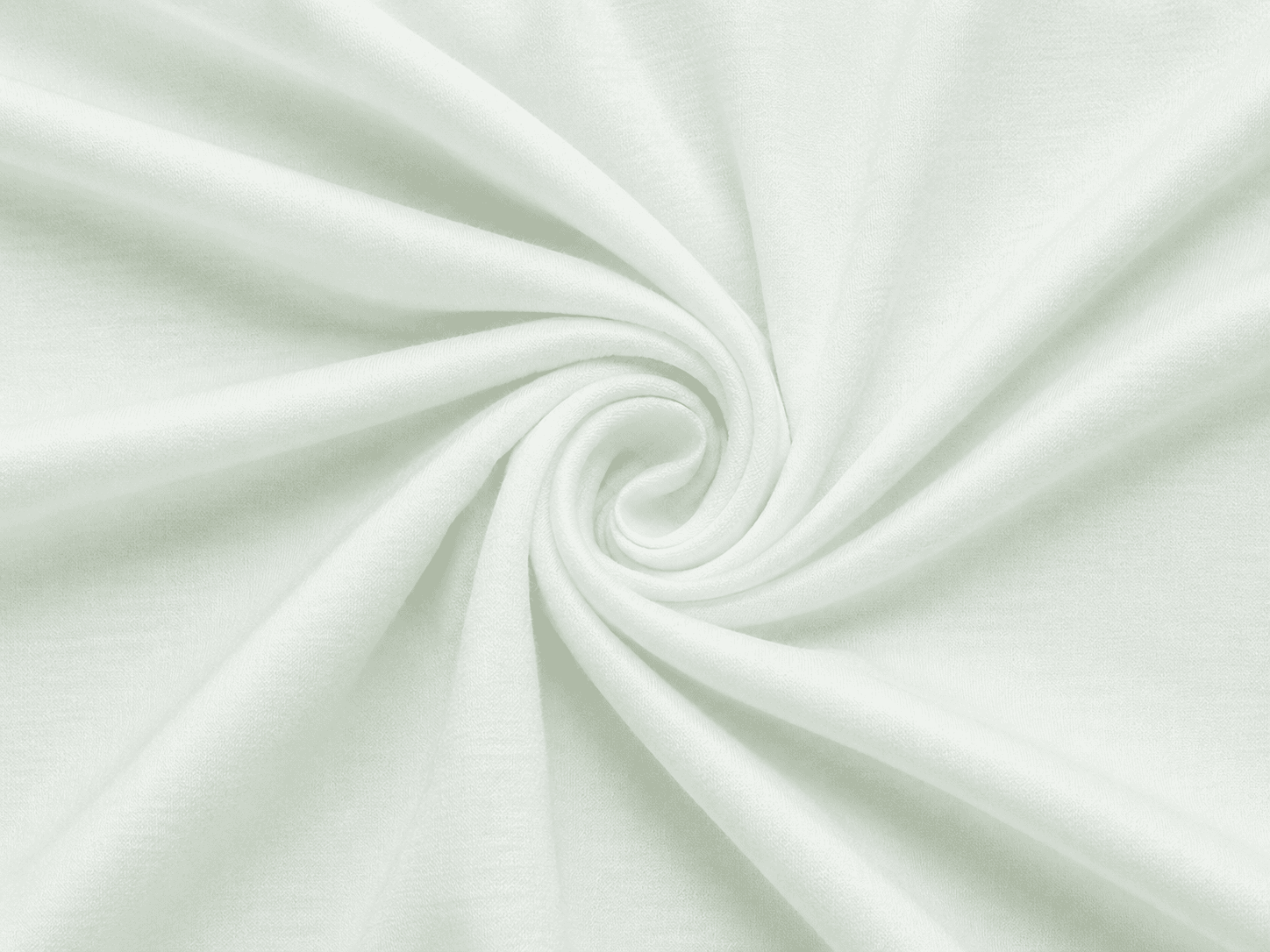
Viscose blends perform well here. The smooth fibre structure allows heat to escape, and the fabric tends to stay dry-feeling against the skin rather than absorbing and holding sweat. Many women find it significantly more comfortable than cotton during night sweats.
Avoid polyester and synthetic fabrics, which trap heat and feel clammy when you overheat.
Loose, relaxed fit
Fitted pyjamas look neat but restrict airflow. During a hot flush, the last thing you want is fabric clinging to your body. Look for:
- Wide-leg or straight-leg trousers rather than tapered or fitted styles
- Tops with a relaxed, not body-skimming, cut
- Elasticated waistbands with enough give to be comfortable for extended wear
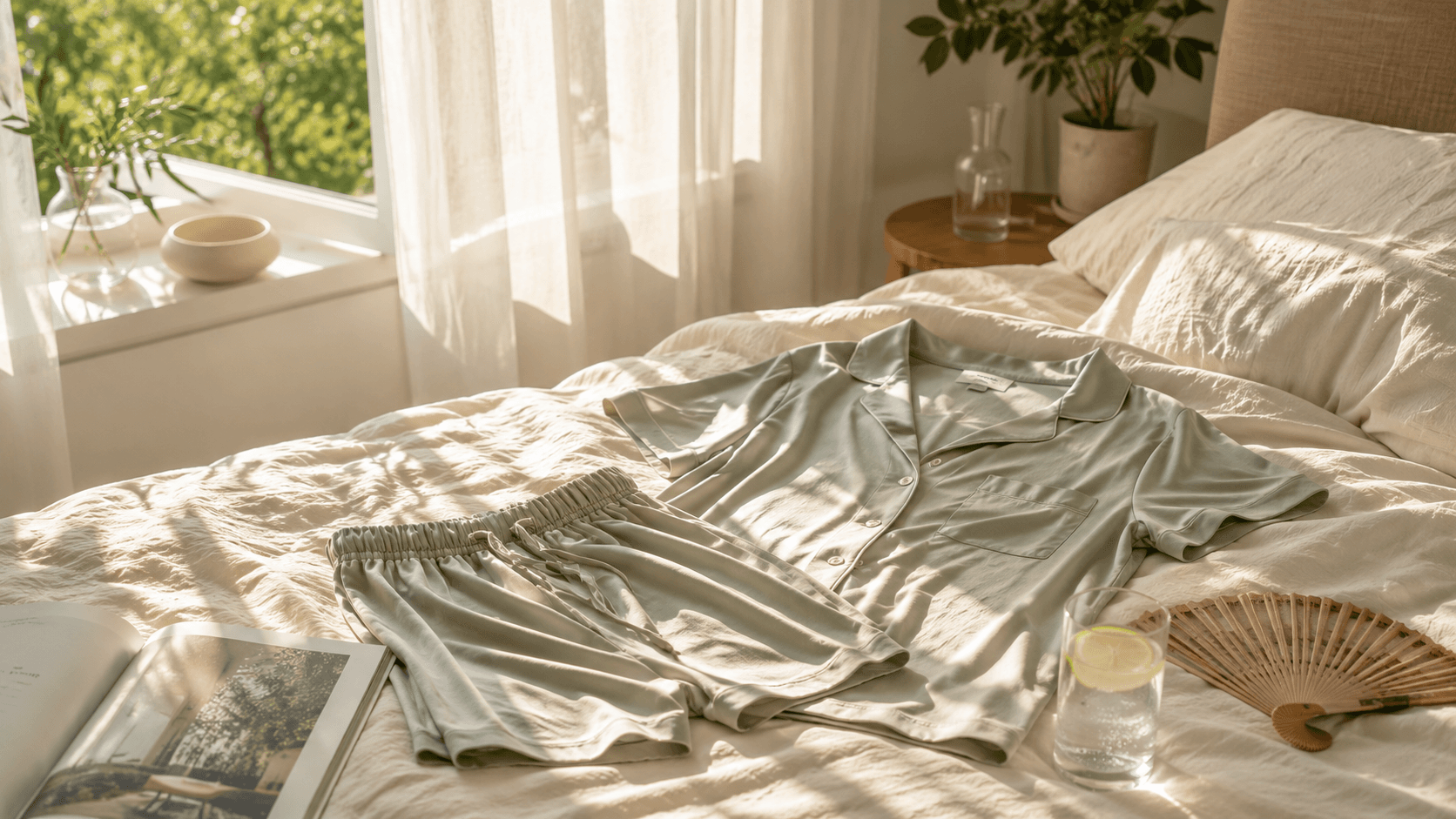
Sets with a loose top and comfortable trousers give you the flexibility to kick off covers and cool down quickly.
Lightweight construction
Heavier fabrics hold heat. For menopause sleepwear, lighter is almost always better. A lightweight viscose blend will feel barely-there on your skin, which helps your body regulate its own temperature without interference from the fabric.
Easy to layer and remove
Some women find that sleeping in a lightweight nightdress and keeping a light robe nearby works better than full pyjama sets — it's easier to adjust quickly during the night. If you prefer sets, a button-through or wrap-style top can be opened partially for ventilation without needing to change completely.
Fabric to avoid
- Polyester and nylon — traps heat, feels synthetic against skin
- Flannel — warm and cosy in winter but unsuitable if you run hot
- Heavy cotton jersey — absorbs sweat and holds dampness
- Elasticated tight cuffs or waistbands — restrict airflow and feel uncomfortable when overheating
Tips for better sleep during menopause
Beyond sleepwear, a few other habits can help:
- Keep the bedroom cool — 16–18°C is often recommended for menopausal women
- Use layered bedding — a sheet, light blanket and duvet you can separate easily lets you adjust without fully waking up
- Avoid alcohol before bed — it disrupts sleep architecture and can trigger hot flushes
- Breathe with your feet out — the soles of the feet are efficient heat dissipators; keeping them outside the covers can help cool you down quickly
A note on style
Comfort doesn't mean giving up on how your sleepwear looks. Many women find that feeling good in what they wear to bed has a positive effect on how they feel overall. Soft, well-made pyjamas in flattering cuts — even in relaxed styles — can make the ritual of getting ready for bed feel intentional rather than resigned.
All SoftConnection styles are designed with this balance in mind: relaxed and breathable enough for comfort, but considered in their cut and fabric finish.